Jay Suburb says, "Never let a little snow keep you from riding."
Autumn typically ushers in a transitional season for cyclists with cooler temps, stiffer winds, additional layers, hunting for the trail under fallen leaves (while trying to recall where the singletrack USED to be), group rides planned around fresh donuts and hot apple cider rather than ice cream, and/or racing 'cross.
While diminishing daylight and distinct chill in the air has some hanging up their bikes for the winter or heading indoors for a spin class, other riders remain resolute in their determination to ride year-round and are stocking up on warm layers, rain gear and good lights to see and be seen.
Here are our Top 10 Tips for Year-Round Riding, courtesy of your fellow cyclists and BicyclingHub fans.
10. Move to California!!!! ~Angie Achen
Castelli's Wool Cycling Cap in Grey Plaid keeps
your head warm--and hides helmet hair nicely.
9. Ride all winter in Charlotte, North Carolina...Embrace the cold and wear layers, particularly a cap...you need to wear just enough clothes so that you are chilly the first 10-15 minutes. ~Jr DelVasto
8. Dress for the weather.. might be slow riding in the winter with snow but get in your base miles. If it is really cold make sure to not have straight water it freezes faster, mix in an electrolyte. And put your Camelbak under your jacket so it doesn't freeze. ~Kristhal Portugal
7. Don't decide whether to ride in the morning - commit every day before you commute - prep everything the night before and it's always time to ride. ~Max Slade
Winter events like Portland's annual Worst Day of the Year Ride are a great way to stay motivated and have fun with friends.
6. I take my bike to work and get a ride in during my lunch break. A short ride is better than an hour on the trainer!~Scott Trombley
5. Petition your city, county, boro to install MORE bike lanes, especially in the busy central district. It can encourage more road-sharing and actually saves lives. ~Mark Flanigan
Would you ride your bike in THIS? Photo courtesy of MSN.com
4. For up north, studded tires take the worry out of wiping out in the snow and ice. Dress up warm and go out in a snow storm, no cars on the roads and enjoy the beauty of the stillness in the snow, except you pedaling! ~Mary Connor, Marquette, MI
3. What about cake? Cake's got layers. The keys for me are my head for overall comfort, and good stuff for my hands and feet. Best hand comfort comes from a good-fitting bike (which will help you keep blood flowing to your fingers). The rest of my body is easy to manage with layering. ~Roger Barr
2. I figure it's as cold out here whether I ride, walk or take the bus. Where I live, in Philadelphia, it's far easier and quicker for me to ride to work on my 2 mile commute to the office. It takes tops, 15 minutes. But if I walk or take the bus, it's much longer and I'm out in the elements getting colder or wetter. I wear thinner layers so I'm not bundled up like the little brother in A Christmas Story. I don a beanie cap under my helmet and an earband over my helmet. I save at least 4 bucks a day, save time and aggravation and I get some exercise while logging about 20 miles a week that I otherwise wouldn't have. All by allowing me a fancier coffee and/or a pastry treat once in a while with the bucks I save and the calories I burn. ~The Bicycle Chef
1. Fenders, a good hose and lots of chain lube!~Scott Sherman
Dressing for cold weather racing is a balance between wearing enough clothing so that your energy is used for performance rather than warmth without overdressing and overheating. This requires some planning before race day. Here are a few cold-weather dressing tips for early season races.
Dressing for a race will typically be lighter than dressing for a training ride since you need to be prepared for more maximal efforts and ongoing wind protection in the speeding pack as well as less ability to add or remove layers on the go. The key is to protect your skin and keep the appropriate amount of heat in.
One way to keep the heat in is to use a skin or muscle warming product. There are several of these on the market specifically for cold weather cycling. If you don’t have time to drop by your local bike shop, you can get items that work at the grocery or drugstore. Generic brand embrocation and muscle balms/ointments work just as well as expensive brand name ones, as do vapor rubs that have a warming and muscle-relief component. Apply the warming balm or oil first, and then put an impermeable barrier over the top to keep the moisture from soaking into your skin. Some old school cyclists use baby oil or petroleum jelly. Consider the oil liquid leg warmers.
If you are not sure what to use or need help with a specific brand, check with your coach for recommendations and/or feedback on specific products.
Special note from Coach Earl: Always put your bibs and chamois lube on BEFORE applying a warming cream or balm to your legs. It is very easy for the chamois to pick up the balm from your legs and the skin near your chamois is extremely sensitive. This can become incredibly uncomfortable very quickly. (Personally confirmed).
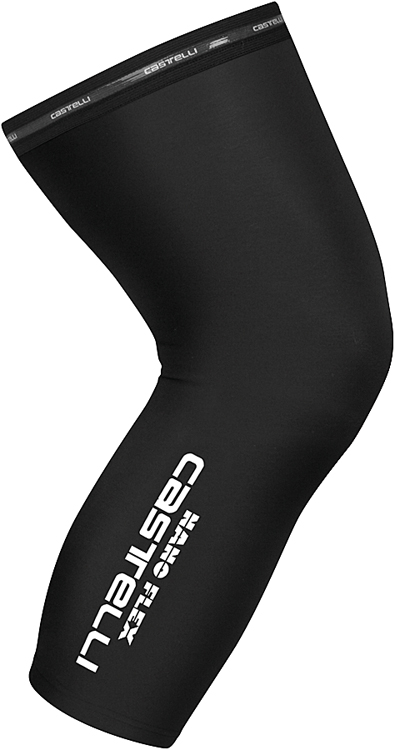
Knee warmers are great for colder days, but when rain also accompanies the cold without an impermeable applied to the skin underneath, the material will get wet and serve to make you colder.
Good fleece lined arm warmers should be enough to keep your arms warm once you get rolling.
Wind-front base layers are invaluable for racing in the cold. This keeps you from having to put a number on your vest and ruining the nylon front.
A little vapor rub on the chest will help keep you warm and some people think it helps open up your breathing for better performance. Like any tip, try this in training before racing.
Lastly, wool socks, two pairs, one for during, and a nice dry pair for right after. It's like a nice warm blanket for your feet. I like to have wool socks of variable thickness in my cycling sock drawer. Note that insulation on your feet can only retain warmth that is already there, and that warmth has to come from circulating blood. Thick socks will make your feet colder if your shoes end up being tight and squeezing your feet. You may want a pair of shoes a half size larger for winter for wearing with your thick socks.
If you have a tendency to get cold, numb toes, consider adding toe-covers or booties to your wardrobe for very cold race days. If you’ll be racing in the rain, test your boots to see that they work when wet.
When you are trying to determine what to wear, keep in mind you should have a little chill while standing around. If you are warm and cozy while standing at the start line, you are overdressed. One solution is to wear an extra jacket to keep you warm on the line, and then toss that jacket to your manager, or support person, or even on the ground.
Once the race gets rolling, the first few minutes until you start to create some body heat will be coldest. Try to find protection from the wind and keep yourself tucked in the pack. The pack will shelter you from the wind and the other working bodies will actually warm the air a bit too. Usually we advise not doing any excess work in a race, but when the choice is having your core temperature drop enough to rob you of your strength, some extra work can keep you in a better position to match an attack or hang on on a hill.
Finally, keep a good attitude. If you believe that you are well prepared and can ride well in the cold, you have a leg up on riders who are more aware of their own suffering. Good luck. In a few months you’ll probably be wishing for a cold day again.
BicyclingHub.com would like to thank John Forbes and our friends at Wenzel Coaching for penning this special guest column for BicyclingHub.com readers. With specialties in road racing, endurance track racing, triathlon (sprint, olympic & Ironman distances), professional bike fitting and general fitness, John shares his wealth of coaching experience to provide comprehensive knowledge of training for success and offers valuable insights and advice on proper nutrition for cyclists.
Proper feeding before, during and after exercise rewards you with better performance, health, and satisfaction. You spend hours developing your biking skills, many dollars perfecting your equipment then wonder why you do not feel stronger during your rides, and why you are so fatigued when you finish. Well, the secret for experienced riders is filling their nutritional needs before, during and after the ride. Once depleted, if you do not replace them you lose all the benefits of the effort you just made as well as affecting fitness gained through your previous efforts.
Hydration: can’t live without it
The single most important action you can take is proper hydration. We are mainly water--over 87%. A loss of even 1% affects performance; 3% or more is life-threatening. Assume even sedentary folks should consume at least 48 ounces of water or some non-diuretic fluid per day. You, as an athlete, should consume much more. Water is the simplest solution--but fruits, vegetables and even meats you eat provide fluids as well.
While there are various schools of thought regarding the amount you should take in per day, one approach is pounds equal ounces: divide by 2 and then consume that number of ounces of water per day. As an example, assume you weigh 150 pounds. Convert that to 150 ounces; divide by 2, which equal 75. That is the number of ounces of water you need per day, rain or shine, winter or summer. A simpler method asks that you consider the color of your urine. When it is pale, a diluted apple juice color, you are ok; dark, not ok. Frequently, we do not drink enough during the cool months because we do not believe we sweat as much. In fact, we sweat just as much in these cool periods; often, because we wear heavy clothing, even more than during warmer seasons. You might believe you produce more sweat in other activities as more is visible. One of the joys of riding your bike is feeling the cool breeze your motion creates, which evaporates your perspiration.
Living day-to-day (at least eating day-to-day)
Most of us are familiar with general day-to-day nutrition. That is, we strive for a good balance of carbohydrates, protein and fats, or roughly 60% carbohydrates, 30% protein, and 20% fats. As an athlete, you should temper this based on the amount of exercise you get. On high exercise days add more carbohydrates; on light exercise or rest days, subtract some. Of course, we should avoid as much as possible eating processed foods and foods high in sodium. While those of us who are profuse sweaters have larger sodium needs, you can address those in another way (discussed below). Ideally, we should eat five to seven helpings of vegetables and fruit per day. Drinking fruit juice does not fulfill the fruit requirement--particularly as the sugar content in such drinks is usually high. Even natural sugars add empty calories.
What about during the ride?
While everyday nutrition is fundamental for health, the thrust of this article is proper nutrition during and after a hard effort. Let’s look at some basic physiological realities. We can assimilate between 250-300 calories per hour but we burn more than 700 per hour during a typical ride or run. Those who say we should replace the calories out with calories in are misinformed. We cannot replace the calories lost during a hard effort; our systems are devoted to getting rid of heat and firing our muscles. However, we can replenish a portion of calories lost during a ride. For most people, that means we should consume between 18 to 28 ounces of a good, nutritionally balanced energy drink per hour containing complex carbohydrates, not simple sugars. Occasionally in extreme conditions, some may safely drink more. Amounts greater than these often lead to bloating, stomach distress and occasionally, vomiting or diarrhea. Acute over-hydration can lead to hyponatremic (too much sodium loss) coma, which can cause death. Fat stores easily make up the difference in needed calories. Even the fit athlete has thousands of usable calories stored as fat. During the course of a typical athletic event, you will not come anywhere close to expending a dangerous amount.
Avoid the ‘oses
Read the labels on energy drinks carefully. Avoid those foods that list glucose, sucrose, fructose and dextrose. If the label lists corn, avoid that as well. Corn is a primary source of those four –ose products. Simple sugars such as those above give you rapid energy spikes and equally fast energy crashes. In addition, they are not easily digestible; nor do they assimilate as quickly as complex carbohydrates will. Some research shows one can assimilate energy drinks at only about 100 cal/hour when working hard. Complex carbohydrates, on the other hand, absorb at about 300 cal/hour. Since our systems assimilate at about that rate you can get your usable caloric replacement per hour in one 18 to 28 ounce bottle. Which rate, as mentioned above, is the rate we can absorb fluids. Many manufacturers add simple sugars as they are cheap and carbohydrate rich. However, they are a waste of your money and can hamper your riding enjoyment.
What about longer rides?
If you ride more than two hours, you need protein as well as complex carbohydrates. Above two hours your system requires some protein -- only a small amount and not whey protein. Assume you can fulfill roughly 10% of your energy needs via protein during exercise. The most useful source of protein during endurance style exercise is soy or rice based, as they produce very little ammonia. During the demands of exercise the added glutamine in whey protein degrades to ammonia very quickly. Ammonia is a significant cause of muscle fatigue. Since you produce ammonia as you exercise already, do not add more! After exercise, whey based protein is exactly what you want, as we will discuss later.
An issue many riders wrestle with is, “should I use solid food or liquid?” Most find after experimentation that liquid food is more digestible and thus assimilates far faster than solid foods. Gels work more like a liquid than a solid food, so are a good source of quick energy. Of course, you should avoid fat laden foods or heavily processed foods at any time but particularly as you ride. Their refined sugars and saturated fats bloat you and cause lethargy, neither of which you want while in the midst of an otherwise enjoyable ride!
Sodium, boy, do we need it, but…
An oft-neglected nutritional need is proper electrolyte replenishment. I f you hydrate properly, get appropriate fuel replacement yet still cramp or suffer a significant bonk you may suffer from a serious shortage of electrolytes. Don’t assume salt tablets are the answer, however. They replace sodium chloride, salt, but not the other equally important components of well-balanced electrolytes. For that matter, most of us get far more salt in our daily diet than we need just from the salt content in foods. We generally need somewhere between 1500-2400 mg of sodium per day and get most get far more than that daily.
It is the other elements in electrolytes we often neglect: calcium, magnesium, and potassium are equally important and you won’t find them in salt tablets. Too much sodium chloride is as detrimental as not enough. Over-salt your system and you may bloat, suffer from water retention and endure stomach distress. Electrolyte needs vary not only from individual to individual but also day to day for each person. Heat, humidity, muscular needs and the like affect us all differently; you should experiment during your rides before you undertake a major ride. Start with the basic suggested dose of whatever product you choose, around 240 mg of sodium chloride with the other elements mentioned above is a general mid-range. On cool days you may need much less while on hot, humid days far more. Gauge your needs over the course of a few weeks prior to your big rides.
Only eat familiar foods during a big effort
This leads to another important point: never use a new fuel, supplement or fueling approach without thoroughly testing it in training. There are often serious repercussions in so doing. I speak from bitter personal experience. I tried a new fueling protocol once before a major race, cramped badly and dropped out. I later found that the particular combination in the product was not one my system assimilates well. Since then I have given any new fuel a long trial.
After the ride
Many athletes assume that they can eat whatever they want after they finish a hard effort. “I have burned x thousand calories. It is time for a cheeseburger and fries, washed down with a Coke and maybe a doughnut.”
Actually, it is time for replenishing your depleted muscles and energy stores through a proper combination of protein and carbohydrates. Now’s the time for a whey-based protein. Earlier I mentioned the problem with ammonia build-up during exercise as a reason one should not use whey protein during a long ride. After a hard workout however, the glutamine in whey protein works as an ammonia scavenger. Glutamine actually increases ammonia at first but then after 2 ½ to 3 hours, removes more than it added, thus helping rid your system of waste and the by-products of hard physical exertion. You will find if you use a good recovery food within 30 minutes after exercise followed by a nutritious meal within an hour you will sleep better that night, suffer far less from muscle soreness and generally feel fresher and ready for more. If you cannot eat a meal within an hour after you have your recovery food then have another helping of recovery food. You must replenish your system after every substantial ride or other exercise or you cannot perform at your optimum level and may even cause illness or injury.
Nope, you cannot really carbo load
If you are preparing for a long ride do not overeat in the days prior. You cannot really ‘carbo’ load. Instead, if you have trained consistently, fueled properly both during and after training and maintained proper hydration then your body has the energy it needs for your ride. Cramming food and drink down just before a major event only adds pounds. Pounds you must then drag around during your ride.
You don’t really need that big breakfast
Unfortunately, that dictum applies as well to a big meal within 3 hours of your ride’s start time if you plan anything longer than an hour to an hour and a half. If you eat a substantial meal shortly before an effort your system spends energy and glycogen digesting it. Save that energy and all-important glycogen for the ride. You will not reduce your glycogen stores substantially during short duration events. Instead, if time allows, eat a normal breakfast at least three hours before your even -- one that you have successfully trained at the same distances before.
But do sleep in
With that said, you should not sacrifice sleep so you can honor your long ride three-hour fasting window. Your system has substantial stores of fuel stored in your muscles, more than enough so you can begin your ride and begin your normal hydration/fueling routine. While you cannot add to your glycogen stores this close to an event you can enjoy a small pre-ride meal of 200 to 400 calories of a protein and carbohydrate mixture. So, sleep in, even though you may feel hungry in the morning before your big ride: you have more than adequate energy stores onboard.
For those who suffer cramps during or after a ride, there are a few possible causes. While some relate to improper or inadequate training or poor bike fit, improper nutrition is a substantial problem for many of us. The single most obvious cause is poor hydration, particularly when coupled with poor fueling. In addition, as mentioned previously, improper electrolytes balance. If you follow proper nutritional practices but still cramp, consult a professional bike fitter who can examine your bike, shoe fit and other areas for potential problems.
In summary: following a routine in which you get adequate rest, drink plenty of fluids, maintain a good balance of carbohydrates and protein, fuel properly as you ride then enjoy a good recovery drink after your ride you will enjoy your sport and grow ever stronger.
Note: all images (except Tour de Cure photo) courtesy of up-and-coming photographer Jonathan Schell.
July marks the traditional peak of the American cycling season: multi-day bike tours criss-crossing their way through the U.S., century-a-week and charity rides engaging their local communities, race calendars chock-full of competitive events to keep roadies and mountain-bikers alike occupied, and 2010 Tour de France contenders such as Lance Armstrong, Levi Leipheimer, and Bradley Wiggins on the television each day inspiring club riders to train harder on Tuesday/Thursday night hammerfests. But “whether you're a full-time athlete or a weekend warrior, avoid turning cycling into work,” National Track Champion and professional cyclist turned coach Kendra Wenzel advises. “Keep it as a fun part of your day by varying your schedule and continually reminding yourself of why you head out on the bike.”
BicyclingHub.com staff member Jennifer Clunie met up with Kendra just after her return from the 2010 National Road Race Championships in Bend, OR to discuss how to effectively balance training, work and family life, the growth of women's participation in the sport, and what keeps her cranking on the pedals season after season.
After racing professionally for eleven years, collecting 100 career wins on the road and track and an impressive assortment of medals earned at illustrious events such as the 1990 World Championships in Mabashi, Japan, the Pan American Games in Cuba, the 1994 Collegiate Road Championships and 14 National Track Championship events, Kendra helped found Wenzel Coaching in 1994. Venturing over to the dirty side of the sport and racing mountain bikes for Team Diamondback in 1995, Kendra returned to her first love and served as team caption for the top-ranked Seco/Timex road team from 1997-99 as they raced their way to podium finishes in the National Championships, Tour of Italy (Giro) and Tour de 'Toona. Retiring in 1999 to dedicate her attention to coaching full-time, she continues to fuel her passion by developing up-and-coming racers and encouraging elite-level cyclists to meet (and sometimes exceed) their goals.
When asked to describe her typical client profile these days, Wenzel states, she doesn't really have just one type. “I have elites, elite wanna-bes (some sort of regional up-and-coming racers), and weekend warriors. I have guys that work 40, 60 hours a week and want to make the most of their time to race their bike. And I like it that way. If I had all elites, I'd be so crazy—elites hinge so much whether they have a good or bad day on the bike, whereas people who are working full-time have a little more broader lifestyles, because they have so much more to juggle. I'd say my client profile is someone who has good energy and wants to learn.”
Wenzel credits the platinum-level bicycle friendly community of Davis, California as one of the main things that drew her to enroll at the University of California at Davis. Enjoying competitive team sports such as basketball, softball, track & field in high school, she initially wanted to play collegiate soccer—but it wasn't long before the addictive nature of cycling took hold. “I remember my first 35 mile ride with a couple of guys and came back to the dorm and I could eat more than I had ever eaten before and thought, 'Wow, this is the best diet in the world!'” She laughs. “There was no 'freshman 15' for me—I was too busy riding my bike.”
“Think of every workout you do as digging a hole. Longer or more intense rides dig deeply, as do work tension and emotional stress. Recovery time—relaxing days, massages, proper nutrition and self-care—fill the hole back in. The idea is to avoid digging a hole you can't fill back in, which is just what may happen if you train continuously, without proper recovery, on top of an already stressed system. Sickness and injury are usually the result.”--Excerpt from “Working Overtime” by Kenda Wenzel
Memories of Wenzel's racing days still have her itching to jump into criteriums on occasion—until she remembers she doesn't always want to train that hard. “The ones that always stick out the most are the ones that I had to work the hardest for,” she recalls, such as the 1998 & 1999 Nationals, the Tour de 'Toona. Another memorable experience was being able to absorb the “sheer energy” in the velodrome during the World Championships in Cuba when her counterparts in the US National Team won the men's pursuit—all while Fidel Castro was present and watching.
What are some of the most successful methods you've seen that encourage women to take up cycling?
Make it more social. “Most successful women's programs are based on social connections. They're not just out for a ride; they're a socially connected group, and they're getting more out of it usually than just riding the bike.”
Programs must be balanced, taking into account women often don't have as much time. “The reality is—and this is my experience coaching lots of people—is that if a guy wants to go out for a three hour ride, he doesn't say, 'Will you want the kids for 3 hrs?' Whereas when a woman wants to spend that kind of time on a bike, there's a negotiation that goes on with their partner or whoever who can watch the kid. So there's always that. And then there's a limited amount of time that they have—at least as far as elite cycling goes—an limited amount of time to make or break before they decide whether they're going to move on to something else.”
“I think that's one of the reasons cyclocross is so popular, esp here in Oregon. It's family oriented; you don't have to train hours and hours to have a good time. There's no real pack to get dropped off of, so even just finishing for a lot of people is an accomplishment. And it's fun. It's 45 min. people have 45 minutes. They don't always have 3+ hours to do a race.”
Kendra Wenzel (right) with client and fellow cyclist Sue Butler (left), two-time US Elite World Championship team member in cyclocross.
In your experience, what are some of the most successful ways to get more women into racing?
Host a women's series.
Make the races accessible—don't hold too many in the series.
Keep it local, so groups of women can attend. Ideally, locations where you have less than an hour drive/way to get there.
Devise courses relatively challenging enough so they feel accomplished when they finish it, and not so challenging that they're intimidated.
Referencing the weekly race series held at throughout the summer at Portland International Raceway, Wenzel observes, “The ones usually worried about getting dropped are usually the ones right there into it their first time out, because they're competitive. Finding a way to delve into that side because a lot of them have never realized it before.”
The Oregon Bicycle Racing Association (ORBA) continues to see incremental growth in the women's division every year. When Wenzel started racing Tuesday nights at PIR in 1985-1986, there might have only been one other woman in the Category 4 field; drop ahead to 2010, and between 20-35 women regularly race in the 1/2/3 Category—and another dozen entering the foray in the Beginner Women's Division.
“I think one way is to make it more appealing to women is to make it more team-oriented, so that any particular race might have a team classification. I think that would help the men, too...And it could even be co-ed...I think that's one of the reasons why women's collegiate racing has been so successful, because it's very team-oriented. And because the points for the overall hinge on the women's participation too, so you actually have men recruiting women.”
One piece of advice you'd give a novice who's interested but nervous about in tossing their helmet into the ring?
“Talk to any local racers in your neighborhood and find out where there's a beginner-friendly race in your area. And you just have to go try. The hardest part is just getting to the starting line. Usually once that gun goes off and everyone is rolling over the start line, they usually realize it wasn't as scary as they thought. It's just getting up there—just signing up and just starting, and not being all intimidated by all the clothing and the gear. Because in the end, even if you don't have the best bike, you can overcome that...If you have a good engine and you're fit and you've been training, you could do well in bike racing regardless what kind of equipment you have.”
And one piece of advice you'd share with a seasoned Cat 3 vet struggling to balance work, training schedule and family life in order to keep them from getting burnt out?
“One of the secret to staying motivated is to pick races that suit your strengths and weaknesses...Build a race schedule around races that suit them better. Everyone has a better time when they do better in a race. So that balance is also building structured and unstructured time into their race calendar, and building rest breaks into their programs. There's always this ongoing panic I see when people feel they're not getting enough training in, when they're running themselves into the ground and when they're trying to train too much. They're not recovering enough. You get stronger from the recovery from the training, not just the training.”
What's one piece of gear you never leave home without?
“I always ride in my black, yellow and red Wenzel Coaching jersey and bibshorts. As far as gear: a cell phone, and something to change a flat.”